What is Aseema?

Friends of Aseema was established to support the Aseema Charitable Trust. Aseema, which means “limitless” in Sanskrit, has been working since 1995 to educate children living in extreme poverty in the streets and slums of Mumbai, India. Aseema schools are secular. Likewise, Friends of Aseema is a diverse organization with an exclusive mission to support Aseema and takes no position on any religion.

Mumbai Work

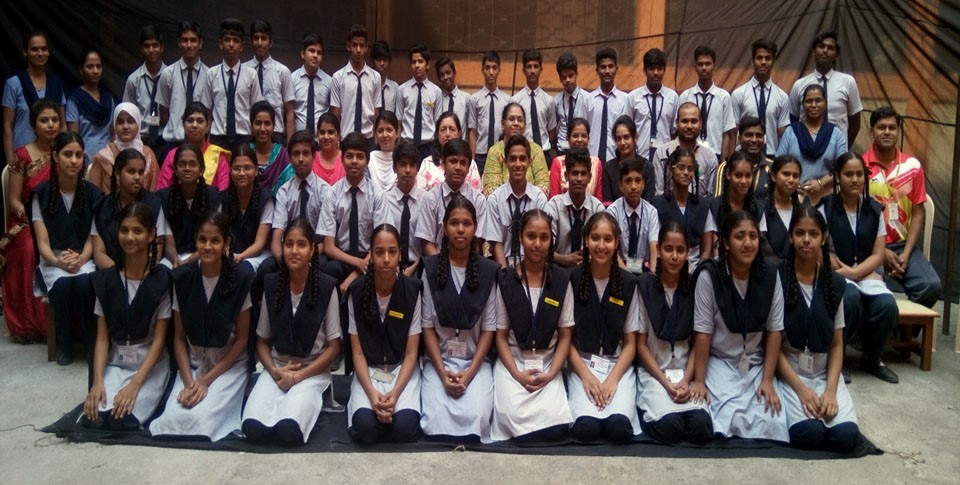
From its humble beginnings with its first class of children gathered in a room borrowed from a private school, Aseema has grown into an organization that has earned so much faith from the Mumbai governing authorities that it has been entrusted year after year to fully manage three of Mumbai’s public schools (known as “municipal schools” in India). These secular schools – Pali Chimbai in Bandra West, Parera Wadi (formerly Santacruz West) and Kherwadi in Bandra East – serve some of the most economically and otherwise marginalized children in the city.
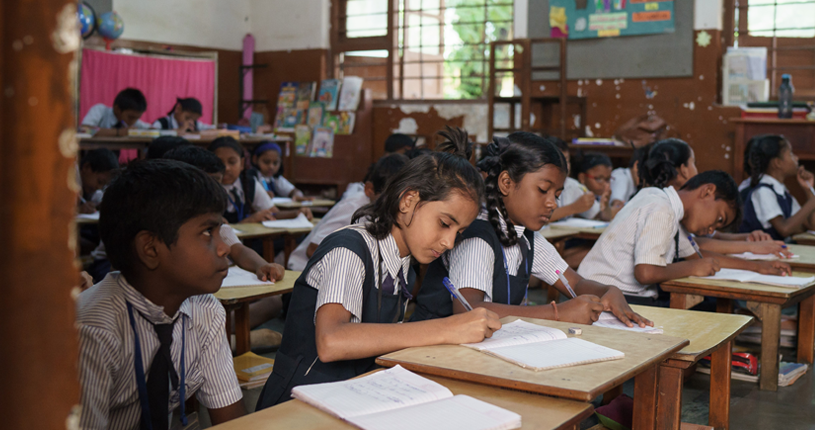
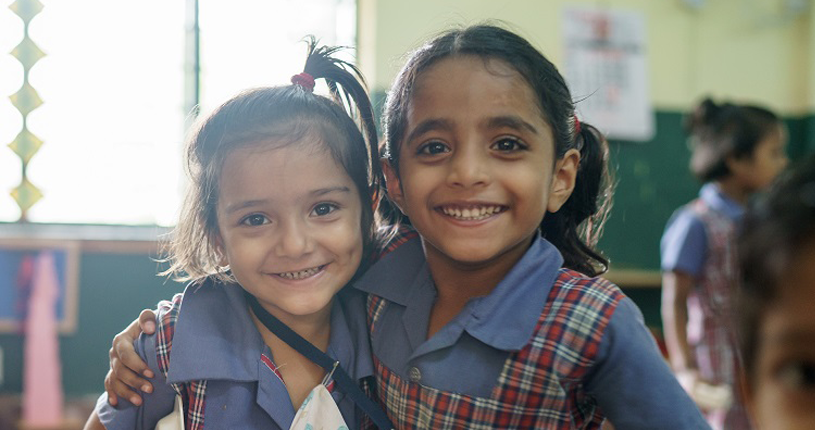
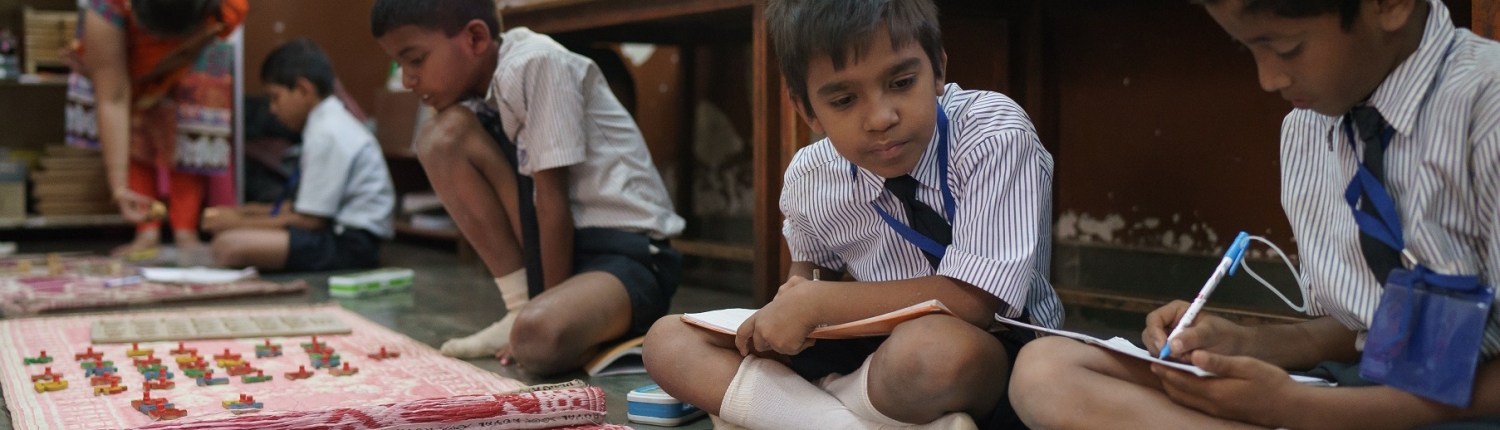
Aseema follows the child-centered methods developed by Maria Montessori for younger children and continues with activity-based learning.

From its first class of 18 children, Aseema now impacts the lives of 4,000 children every year through its own schools and its alumni association. Aseema serves thousands of other children through supportive programs and teacher training such as in Kanpur, India, for the Amin Welfare Trust.

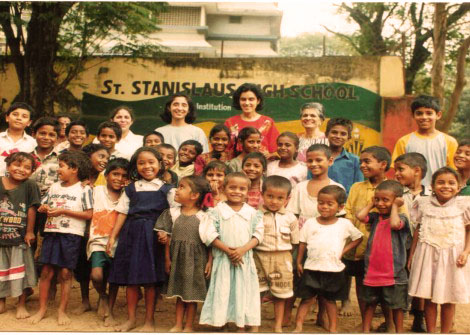
When it began, Aseema had almost no funding. Nothing was easy, not even finding a room to borrow.  The Aseema volunteer staff began to realize the daunting task ahead as they discovered that the children did not know what it meant to form a line, lacked the muscle development and control to hold a piece of chalk and became too fascinated with the light switches to focus.

Aseema’s First Class

Although when the school day ends, these children go home to slum communities, they go home knowing they are valued and with minds full of curiosity and a desire for learning. After completing school, children in India take an exam to get a Secondary School Certificate (S.S.C.). This difficult test is a tremendous source of stress and competition across India. Aseema’s children are outscoring their counterparts from private and other public schools in the State of Maharashtra, of which Mumbai is a part.

S.S.C. PASS AVERAGE IN ALL MUMBAI SCHOOLS OVER 14 YEARS
0%
STATE OF MAHARASHTRA S.S.C. PASS AVERAGE IN ALL SCHOOLS OVER 14 YEARS
0%
Aseema Children S.S.C. Average Pass Rate Over 14 Years
0%

Home Life

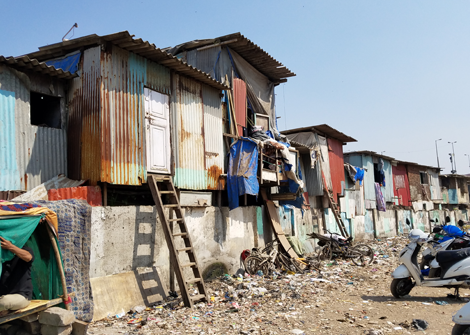
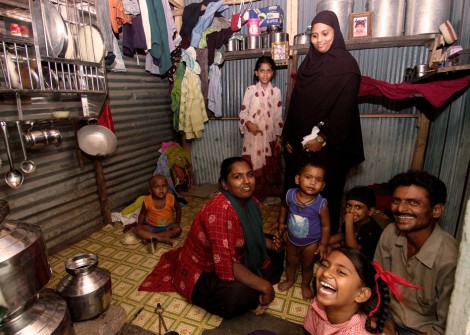
Every child of Aseema lives in extreme poverty of less than $2 per day per person. A family might survive on $80 per month in income they scrape together through day work or other manual labor such as domestic work, street vending or laundry services.

Slum homes generally consist of one tiny room without proper running water and electricity. That room might not have a door. Or it might have walls of cloth. Makeshift wiring leads to frequent fires, which put the children’s meager homes at risk of burning down—a regular occurrence in the slums.

Aseema social workers perform a psychosocial history on each child and monitor the children’s home lives. Aseema educates parents on subjects like low-cost nutrition, positive parenting and addiction. Children are weighed and measured to address malnutrition and are given meals at school to eliminate physical and mental barriers to learning.

In 2017, the Garib Nagar slum, served by Aseema, suffered a massive fire.  Aseema teachers receive training in disaster management.

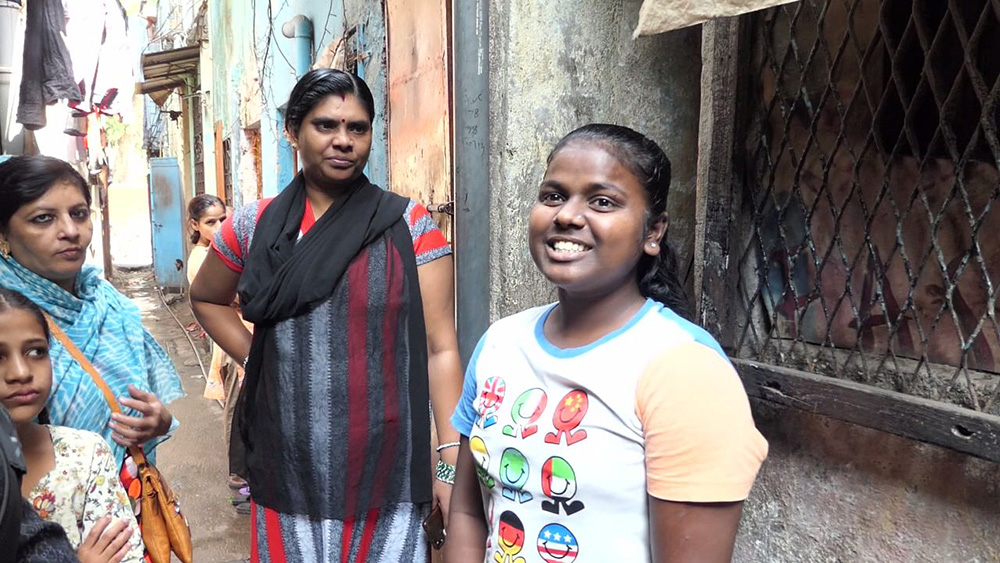
Rupali Nishad, an Aseema student who loves judo and kickboxing, explains: “Aseema is like a family.  We care for each other.  We celebrate festivals together.”

Alumni Association

Aseema has now been in existence long enough to have developed a meaningful Alumni Association. Children raised in the altruistic and loving environment of Aseema give back.

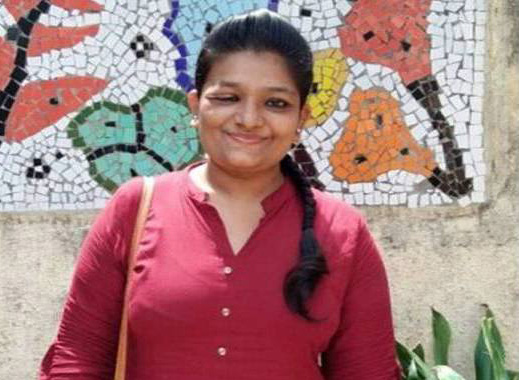
Aseema alumna Sushmita Agarwal came to Aseema at the age of 6. Sushmita got her S.S.C. and graduated from the R.D. National College with a Bachelor of Science degree with a major in zoology in 2016. Since July of that year, Sushmita has been working at the Suburban Diagnostics Centre as a Customer Care Executive & Nutritional Assistant to a Senior Diabetologist. She plans to pursue post-graduate work in clinical research in the near future while continuing to work to support her family. Sushmita also has a passion for teaching. As the eldest child in her family, she encourages her siblings to learn and helped her mother obtain a Higher Secondary School Certificate.

“When I teach, I draw inspiration from a child’s strengths.  Each person learns differently.  You just have to be patient and discerning.

Sushmita Agarwal

Pin It on Pinterest